

.jpg)




Published on Jun 26, 2026
How to Design Custom Patches for Your Brand or Organization

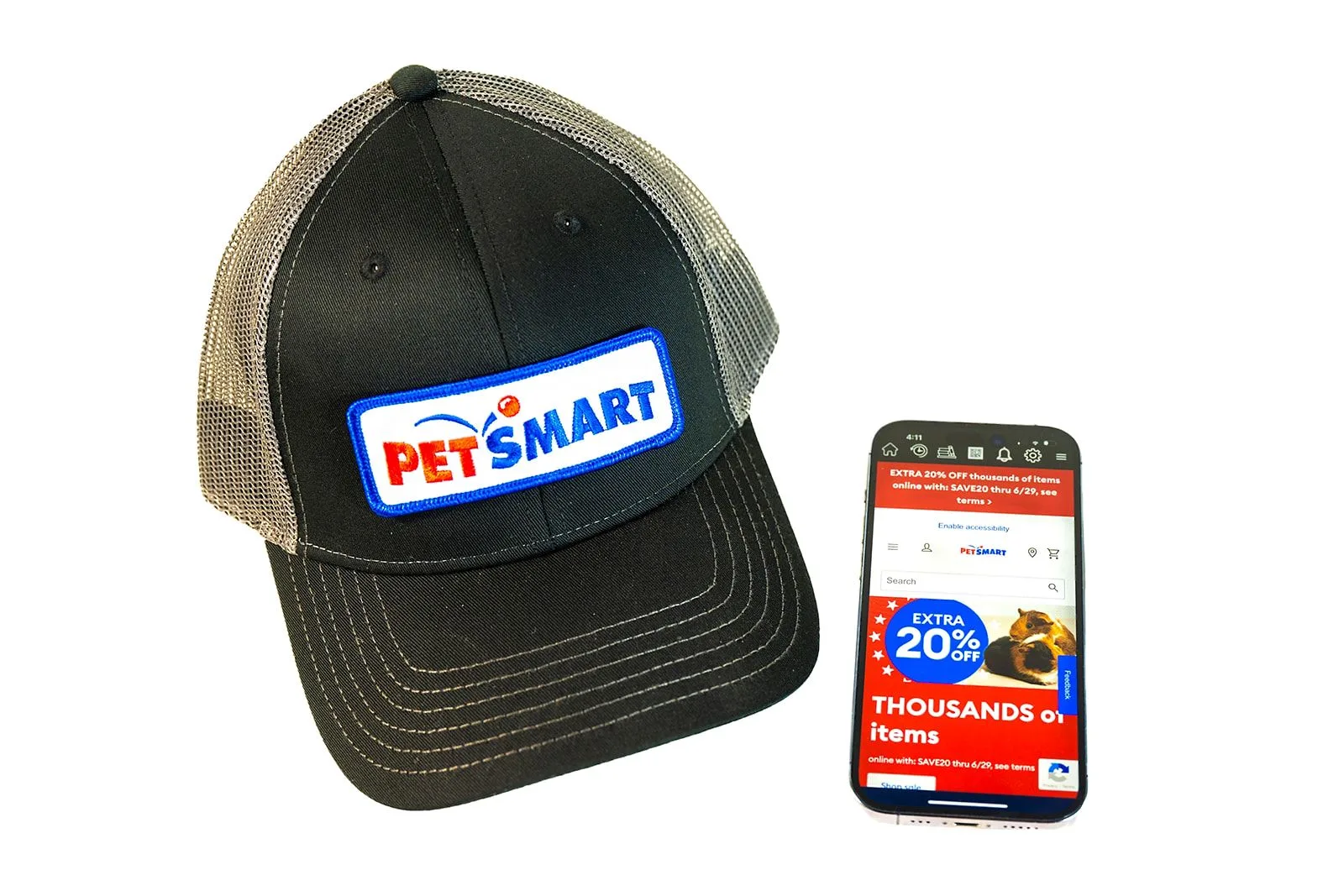
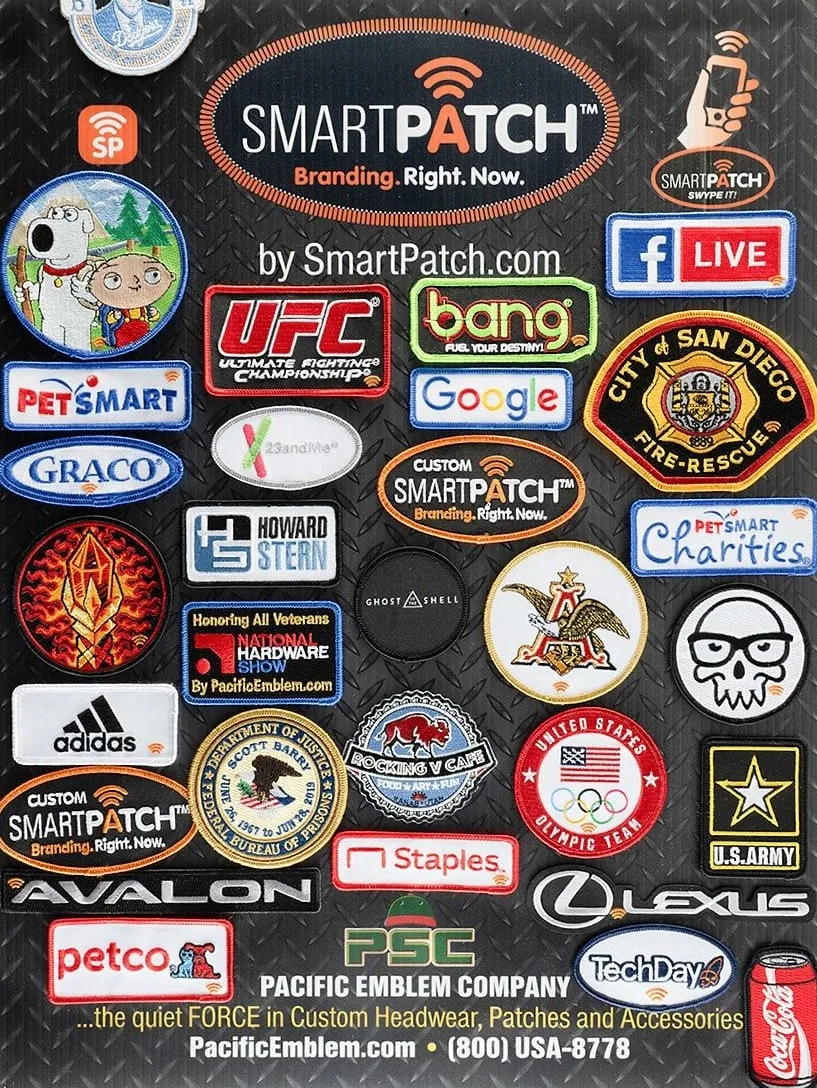
Custom patches are one of the most effective ways to promote a brand, organization, club, team, or business. They are durable, professional, and memorable. Whether you want to create custom logo patches for employees, sports teams, schools, or corporate events, a well-designed patch can leave a lasting impression.
If you are wondering how to design custom patches, this guide will walk you through every step of the process, from artwork creation to selecting the right backing and border style.
Why Custom Patches Matter for Branding
Custom patches help businesses and organizations build a strong visual identity. Unlike printed materials that may get discarded, patches can be attached to uniforms, jackets, hats, backpacks, and promotional items for long-term visibility.
Benefits of custom patches include:
● Increased brand recognition
● Professional appearance for staff and members
● Long-lasting promotional value
● Cost-effective marketing tool
● Easy customization for different events and campaigns
Businesses in cities like Houston, Los Angeles, and Chicago frequently use custom patches to strengthen their brand presence and create a sense of unity among employees.
Types of Custom Patches You Can Design
Before starting your design, it is important to understand the available patch styles.
|
Patch Type |
Best For |
Appearance |
|
Embroidered Patches |
Logos, uniforms, clubs |
Traditional textured look |
|
Detailed artwork |
Smooth finish with fine details |
|
|
PVC Patches |
Outdoor use |
Waterproof and durable |
|
Letterman jackets |
Soft, fuzzy texture |
|
|
Leather Patches |
Premium branding |
Elegant and professional |
|
Printed Patches |
Complex images |
High-detail graphics |
Many organizations choose to design embroidered patches because they offer a classic appearance and excellent durability.
Choosing the Right Patch Style
Selecting the correct patch style depends on your design goals and intended use.
Embroidered Patches
These are ideal for bold logos and simple designs. The raised stitching creates a premium look.
Woven Patches
Woven patches work best when your design contains small text or intricate details.
PVC Patches
Perfect for military units, outdoor brands, and tactical organizations because they resist water and wear.
Leather Patches
Popular among fashion brands, breweries, and premium product manufacturers.
When exploring custom patch design ideas, consider where the patch will be worn and how often it will be used.
How to Create Patch Artwork
Good artwork is the foundation of every successful patch.
Start with a Clear Logo
Use a high-resolution version of your logo whenever possible.
Simplify Complex Elements
Small details may not translate well into thread. Remove unnecessary design elements that could become difficult to reproduce.
Use Vector Files
The preferred file formats include:
● AI
● EPS
● SVG
These file types allow manufacturers to scale the design without losing quality.
Follow a Patch Artwork Guide
A basic patch artwork guide recommends:
● Thick lines instead of thin lines
● Simple shapes
● Readable text
● Limited color palette
● Strong contrast between elements
Best Colors and Fonts for Patch Design
Color and typography play a major role in patch visibility.
Recommended Color Practices
Choose colors that contrast well.
Examples include:
● Black and gold
● Navy and white
● Red and black
● Green and white
Avoid combining similar shades that blend together.
Choosing Fonts
Use bold fonts that remain readable at small sizes.
Good font choices include:
● Arial Bold
● Helvetica
● Impact
● Montserrat
● Bebas Neue
Avoid decorative fonts with excessive details.
When you create custom logo patches, readability should always take priority over artistic complexity.
Choosing Patch Size and Shape
Patch size affects both appearance and production quality.
Common Patch Sizes
|
Size |
Typical Use |
|
2 Inches |
Hats and caps |
|
3 Inches |
Uniform sleeves |
|
4 Inches |
Jackets and bags |
|
5 Inches+ |
Large branding applications |
Popular Shapes
● Circle
● Rectangle
● Square
● Oval
● Shield
● Custom die-cut
Custom shapes often help brands stand out while reinforcing their identity.
Backing Options for Custom Patches
The backing determines how the patch attaches to a garment or surface.
Iron-On Backing
● Easy application
● Great for promotional products
● Suitable for light-duty use
Sew-On Backing
● Most durable option
● Ideal for uniforms
● Long-lasting attachment
Velcro Backing
● Easily removable
● Common for military and tactical gear
Adhesive Backing
● Temporary application
● Useful for events and giveaways
Consider the intended use before selecting a backing option.
Border Styles Explained
The border helps define the patch and improves durability.
Merrow Border
This traditional border creates a thick stitched edge around the patch.
Best for:
● Circular patches
● Rectangular patches
● Standard shapes
Heat-Cut Border
A heat-cut border follows the exact shape of the design.
Best for:
● Custom-shaped logos
● Detailed designs
● Modern branding projects
Laser-Cut Border
Provides maximum precision and works well for highly detailed custom shapes.
Choosing the right border can significantly improve the overall appearance of your patch.
Common Mistakes to Avoid in Patch Design
Many first-time buyers make avoidable design errors.
Using Too Much Detail
Tiny design elements often disappear during production.
Selecting Small Text
Text should remain readable from a distance.
Overusing Colors
Too many colors can increase costs and reduce visual impact.
Ignoring Size Restrictions
A complex logo may require a larger patch size.
Poor File Quality
Low-resolution images can delay production and affect final results.
Avoiding these mistakes will help ensure a smooth manufacturing process.
How to Prepare Your Logo for Production
Proper preparation reduces revisions and speeds up production.
Checklist Before Submission
● Convert artwork to vector format
● Outline all fonts
● Verify spelling
● Simplify unnecessary details
● Confirm colors
● Check dimensions
Many of the best custom patch companies in the USA provide free digital proofs before production begins.
Tips for Ordering High-Quality Custom Patches
Follow these recommendations for the best results:
● Request a digital proof
● Compare thread and material options
● Review production timelines
● Confirm minimum order quantities
● Ask about sample patches
● Read customer reviews
● Work with experienced manufacturers
If you are searching for where to design custom patches online, choose a provider that offers artwork assistance, proof approvals, and responsive customer service.
For businesses searching for a custom patch designer, local embroidery shops can provide in-person consultations, while national manufacturers often offer broader customization options and competitive pricing.
FAQs
How do I start designing a custom patch?
Begin with a simple logo or concept, choose a patch style, select colors, and prepare artwork in a vector format.
What file format is best for patch artwork?
AI, EPS, SVG, and PDF files are generally preferred because they maintain quality at any size.
What is the most popular patch style?
Embroidered patches remain the most popular option due to their durability and traditional appearance.
Can custom patches include small text?
Yes, but woven patches often handle small text better than embroidered patches.
How long do custom patches last?
With proper care, high-quality patches can last for many years on uniforms, jackets, and accessories.
Conclusion
Learning how to design custom patches does not have to be complicated. By choosing the right patch style, creating clean artwork, selecting readable fonts, and using suitable backing and border options, you can produce patches that look professional and represent your brand effectively.
Whether you are looking to design embroidered patches, explore creative custom patch design ideas, or create custom logo patches for your organization, investing time in the design process will help ensure a finished product that stands out and lasts for years.
